Expense claims and furnished accommodation: what your company can cover
Furnished rental on a business trip: what the invoice must show, how the company processes it, and what changes compared with a hotel.
By Boost Loc Pro
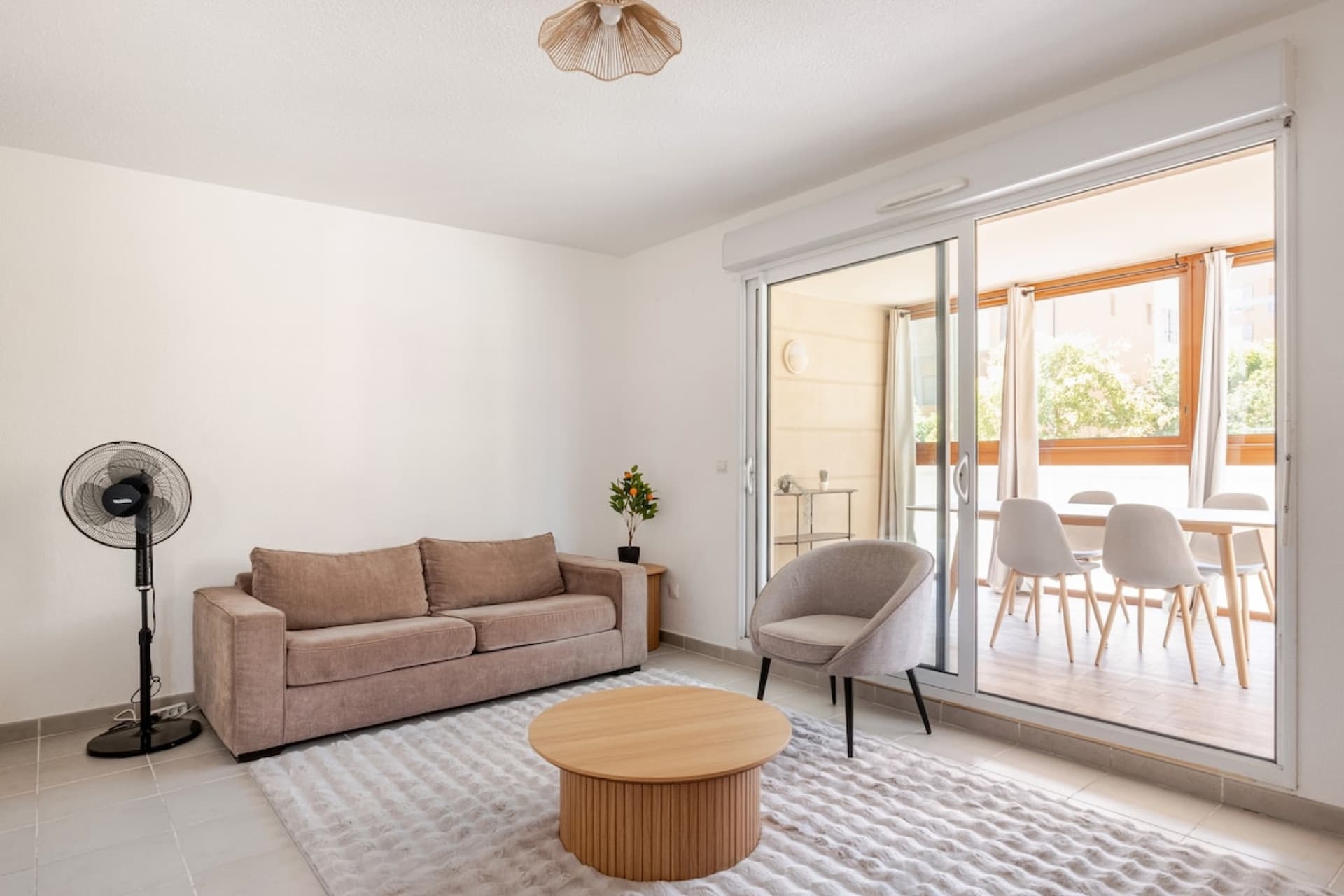
The trip is approved, the assignment starts on Monday, and the question comes up: "Can I take an apartment rather than a hotel, and how do I put it on my expense claim?" The answer comes down to a few simple rules. This article describes general practice; your company's policy and the advice of your accounts department take precedence.
The principle
Accommodation costs incurred on a business trip are covered by the employer, either at actual cost against a receipt or as a flat-rate allowance. Nothing requires the accommodation to be a hotel: a furnished rental invoiced properly is a valid receipt, just like a hotel invoice.
What the invoice must show
For an accommodation invoice to go through without back-and-forth with accounts, it must include:
- the landlord's name and address (in our case: SAS Boost Loc Pro, with its RCS company registration number);
- the company name and, if possible, the name of the employee on assignment;
- the arrival and departure dates, and the property concerned;
- the amount of the stay, with the tourist tax shown separately;
- the VAT mention applicable to the landlord.
That is exactly the format of the invoices we issue for business stays.
Actual cost or flat rate
There are two cases, depending on your company:
- Reimbursement at actual cost: you pay upfront or the company pays directly, the invoice is attached to the expense claim, and the amount is refunded in full within the limits of the internal policy.
- Flat-rate allowance: a daily amount is paid whatever the accommodation. In that case, an apartment by the week or the month, especially shared between two, often leaves a margin compared with the allowance.
Direct invoicing to the company
For long assignments, the simplest option is direct invoicing: the company places the order, receives a quote, then an invoice to be paid by bank transfer. The employee pays nothing upfront. We do this regularly for assignments in Bagnols-sur-Cèze and Nîmes; the form on the business page asks for the company name and the budget precisely so we can prepare this document.
Time-saving tips
- Ask for a pro forma invoice before arrival if your purchasing department needs to set up a new supplier.
- Let us know if the stay is extended: we issue an amendment rather than a second invoice.
- One property, one invoice: if two colleagues share a two-bedroom apartment, we can invoice the company in one go or each person separately, according to the internal rule.
For an assignment in the Gard, Le Patio de la Cèze in Bagnols, and Le Saint Julien and La Loggia d'Uzès in Uzès, are designed for these stays.
Frequently asked questions
Is a furnished rental accepted on an expense claim?
As a general rule, yes, provided the trip is for business and the invoice is in the name of the company or the employee on assignment, with the dates and an itemised amount.
What must the invoice show?
The landlord's name and address, the company name, the dates of the stay, the property, the amount excluding tourist tax, the tourist tax shown separately, and the applicable VAT mention.
Is the tourist tax refundable?
It is part of the accommodation costs and is handled like the rest of the invoice, according to the company's policy.
Read next
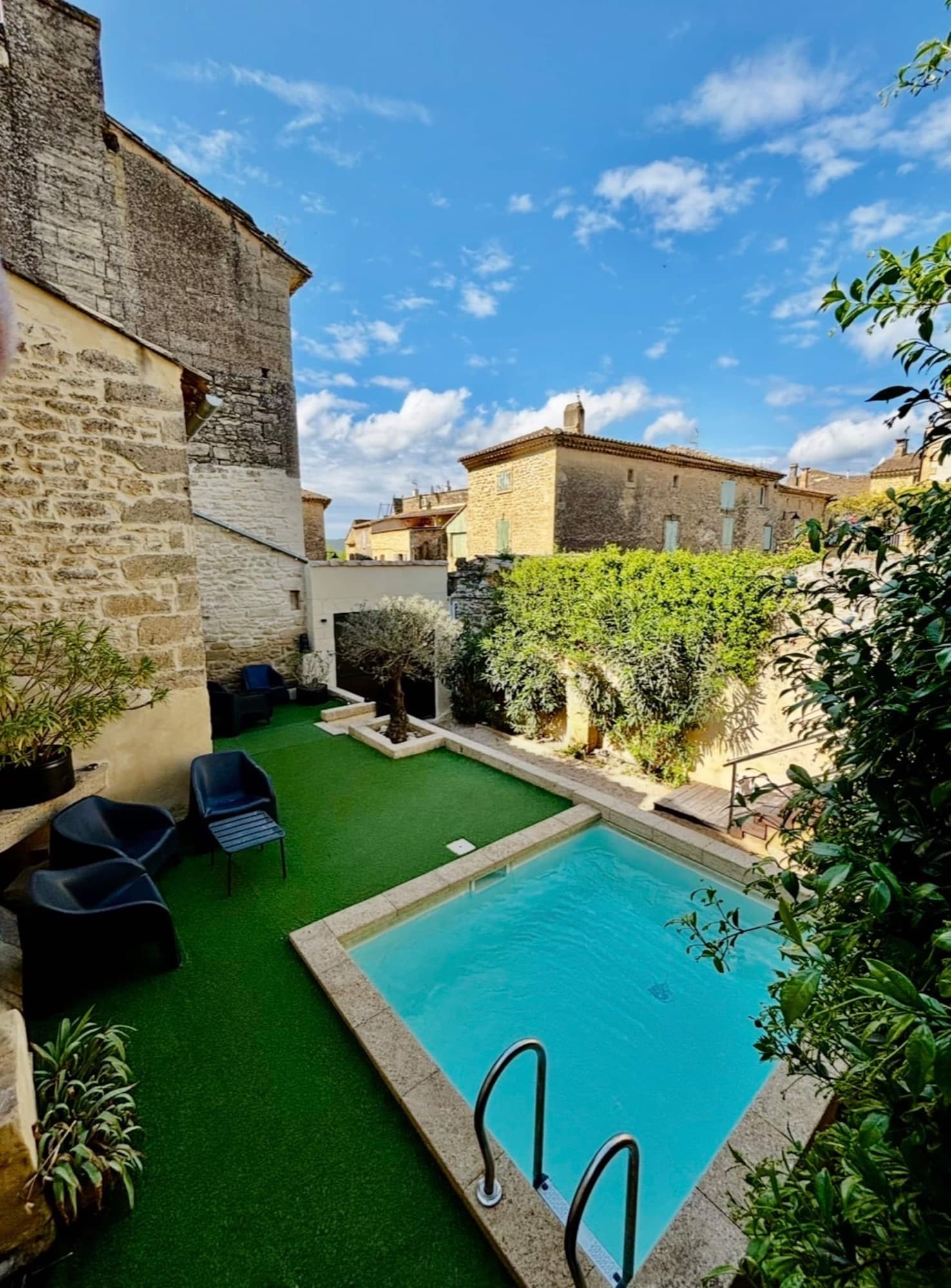
Corporate retreats and team building between Uzès and the Pont du Gard: venues, activities, accommodation
Organising a corporate retreat around Uzès and the Pont du Gard: meeting rooms, team-building activities in the Gardon gorges and whole houses for the team.
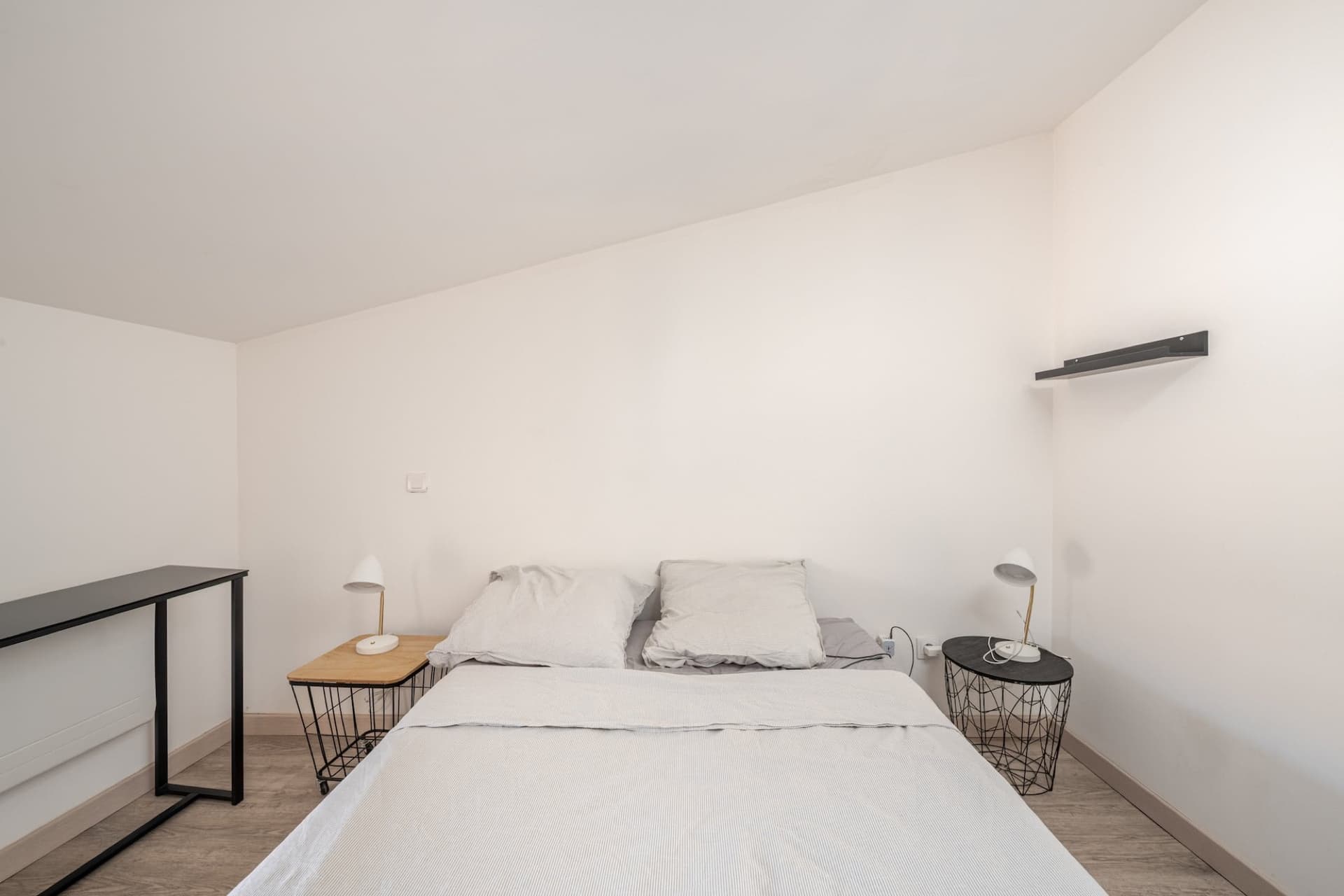
Where to stay near Marcoule: Bagnols-sur-Cèze or Uzès for an assignment on site
Technician or contractor on assignment at Marcoule: where to sleep in Bagnols-sur-Cèze or Uzès, calculated drive times, company invoice and Pass Mission.
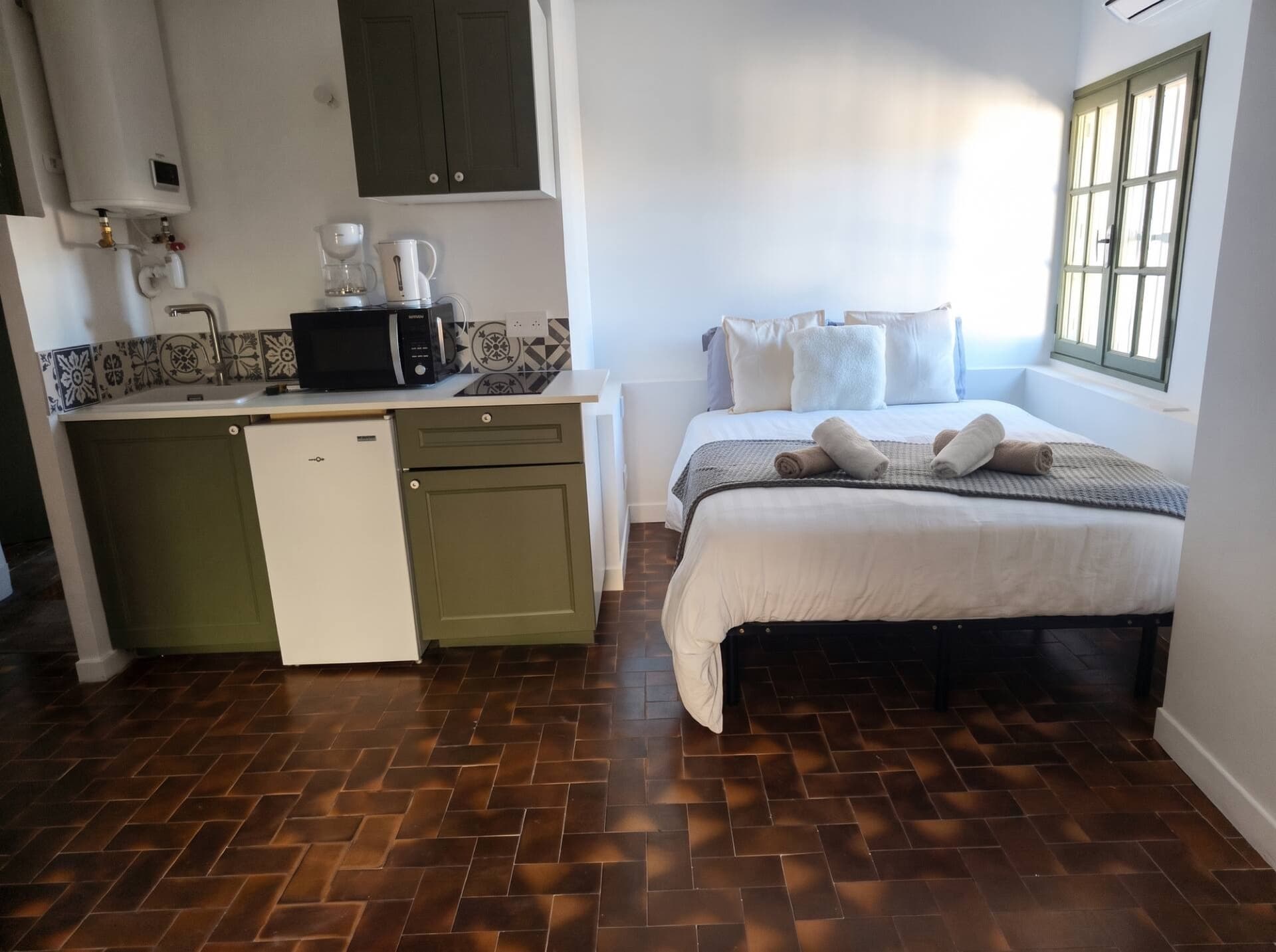
Medical or allied health locum in the Gard: where to stay for a week or a month
Locum doctor, dentist, physio or nurse in Uzès or Bagnols: quiet places for one or two people, monthly rates, linen provided, self check-in and wifi.